
Quick Answer
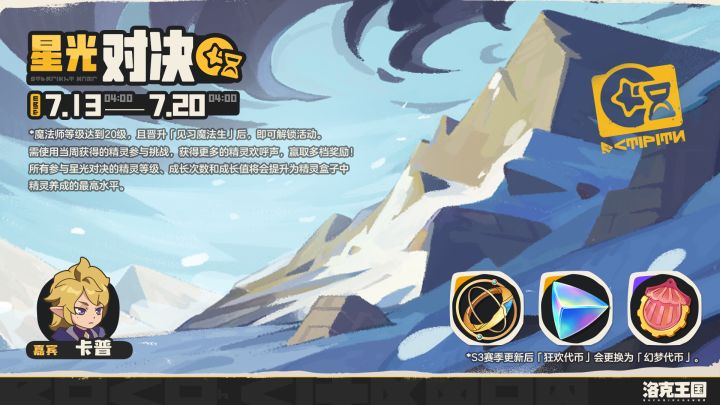
Starlight Duel does not let you simply bring your usual main team. The official rules say it unlocks at Magic Level 20 after promotion to Apprentice Mage, accepts spirits obtained during the current weekly period, and raises each entrant's level, growth count, and growth value to the highest corresponding values in your Spirit Box.
Prepare by catching several current-week spirits with different types, keeping one well-trained spirit in your box as the synchronization benchmark, and checking the current opponent lineup before choosing a team. Use the Type Chart and Skills Library instead of spending materials on temporary entrants before seeing their synchronized stats.
Unlock and Weekly Schedule
Recent official runs use a one-week window, commonly from Monday at 04:00 to the following Monday at 04:00. The event page shows the current deadline, guest opponent, eligible spirits, and reward tiers. Maintenance and season changes can alter the window, so treat the live event page as final.
If the event is visible but locked, check both requirements: Magic Level 20 and the Apprentice Mage promotion. Reopening the game will not replace an unfinished promotion task.
What Counts as a Current-Week Spirit
Eligibility depends on when the spirit was obtained during the active event period, not on whether an older copy has already been trained. Do not assume a same-species spirit that has sat in storage for weeks will replace a newly obtained one. Catch candidates after the weekly event starts, then confirm that each one is selectable on the event team screen.
Catch more than one option. An opponent team normally spans several spirits, so a single type can leave you unable to answer a bad matchup. Three to six candidates with useful type coverage are safer. Because training is synchronized, immediate type and move utility can matter more than whether the new copy was manually leveled.
What the Synchronization Actually Covers
The official announcement explicitly names three synchronized fields: level, growth count, and growth value. They are raised to the highest matching values already present in your Spirit Box. A highly trained spirit in storage can therefore provide a better benchmark even when it does not enter the battle.
This is not a promise that every build choice is completed for you. The official text does not list move selection, bloodline choices, nature direction, or team synergy as synchronized fields. Open each entrant's detail page and inspect its actual moves before battle. A synchronized stat line with an unusable move set is still a weak entrant.
A detailed 4399 run also lists one max-level, max-growth spirit in the box as preparation and notes that this benchmark does not need to participate. If a later patch changes the system, follow the live event description.
Step 1: Inspect the Six Opponents First
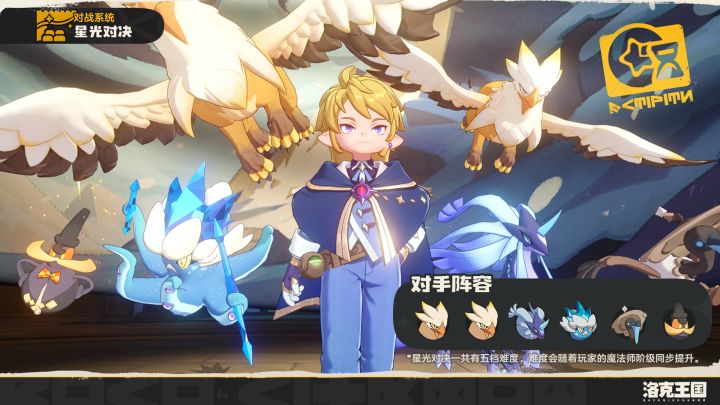
The guest and lineup rotate, so an old fixed team is a lesson, not a current answer. Note the opponent types, use the Type Chart to find reliable damage and defensive coverage, and avoid building a whole team that shares one obvious weakness.
The official July 13 example showed Kabu with six different spirits. Its useful lesson today is the process: read this week's lineup before locking this week's team. Copying last week's recommendation is often a larger problem than raw training.
Step 2: Build Around Damage, Defense, and Utility
Sort candidates into three broad jobs. A damage dealer removes targets it can pressure; a defensive slot absorbs the opponent's main attack and creates safer switches; a utility slot uses buffs, debuffs, control, response, or exit effects to create openings.
Do not rank all six spirits by total stats alone. A modest spirit with the right type or one essential utility move can outperform a larger stat line in a bad matchup. Check types and base data in the Spirit Index, compare speed and defenses in Spirit Compare, then inspect move cost and effects in the Skills Library.
Step 3: Read More Than Move Power
At minimum, check a move's type, attack or status category, energy cost, and secondary effect. A team full of expensive attacks may not have a playable action every turn. A team with only one attack type may be stalled by one resistant opponent.
A practical set usually keeps one or two primary damage options and reserves space for setup, response, control, or switching tools. Exact moves depend on the weekly pool; no seasonal lineup should be presented as a permanent solution.
Choosing Among Five Difficulties
The official rules describe five challenge tiers. Higher Mage promotion raises the available difficulty and the corresponding rewards. Beginners do not need to force the top tier immediately. Clear the highest tier your current pool can finish reliably, inspect the reward and cheer requirements, then move upward.
When a lower tier works but the next one fails, diagnose the break point. Change type coverage when damage is resisted, compare speed and priority when your main unit never acts, add a defensive or utility slot when the team collapses late, and catch more weekly candidates when the eligible pool is too narrow.
Cheers and Rewards
Official posts describe earning more spirit cheers to unlock multiple reward stages, while rewards and seasonal currency can rotate. Check the current reward screen before deciding whether to catch additional variants or raise the difficulty.
Older charts assign fixed cheer values to normal, Nightmare, shiny, or color variants, but these figures are particularly vulnerable to event changes. This guide does not treat an old table as a permanent rule; the current event and result screens are authoritative.
Pre-Battle Checklist
Reach Magic Level 20 and Apprentice Mage; verify that every entrant was obtained this week and is selectable; keep a strong synchronization benchmark in the box; inspect the current opponent types; give every entrant a usable move set; and choose a difficulty the team can realistically clear.
After a run, identify which opponent broke your tempo and which team member contributed little. Replace one role at a time. Starlight Duel changes the weekly puzzle, so a repeatable diagnosis is more useful than saving one fixed answer.
Common Questions
Why can I not use an older spirit?
The event requires spirits obtained during the current week. Obtain a current candidate and confirm eligibility on the team screen.
Can a newly caught, unleveled spirit participate?
The official system synchronizes level, growth count, and growth value. Inspect the synchronized result before investing materials blindly.
Does synchronization finish moves and bloodlines too?
The announcement only confirms level and the two growth fields. Check moves, bloodlines, nature, and team fit yourself.
Why did last week's guide fail?
Both the opponents and eligible pool rotate. Rebuild around the current lineup's types, speed, and moves.
Must I clear the highest difficulty?
No. Secure reliable rewards first, then raise the tier when your weekly pool can support it.
Sources
- Official weekly Starlight Duel rules and S3 event example
- Official beginner spirit-battle video
- 4399: synchronization benchmark and battle preparation
- GamerSky: PVP roles and practical team thinking, originally by _致北
Compiled on August 21, 2026. Event times, weekly spirits, guest lineups, cheer conditions, and rewards rotate; follow the current in-game Starlight Duel page.